
Egress window wells in Lincoln run $800–$2,500 installed with drainage. Code asks 9 square feet of horizontal area, a 36-inch minimum dimension, and a fixed ladder past 44 inches of depth, and Nebraska clay asks for drainage that actually works.
Materials, drainage design, and the failure points that need repair most.
What a well has to do
Four jobs at once: hold back saturated clay through freeze-thaw cycles, give an escaping person room to climb, admit enough daylight to make the basement livable, and shed every drop of water that finds it. The cheap-install failure mode skips job four. A well without drainage becomes an aquarium against your window, and a lot of them end up rebuilt.
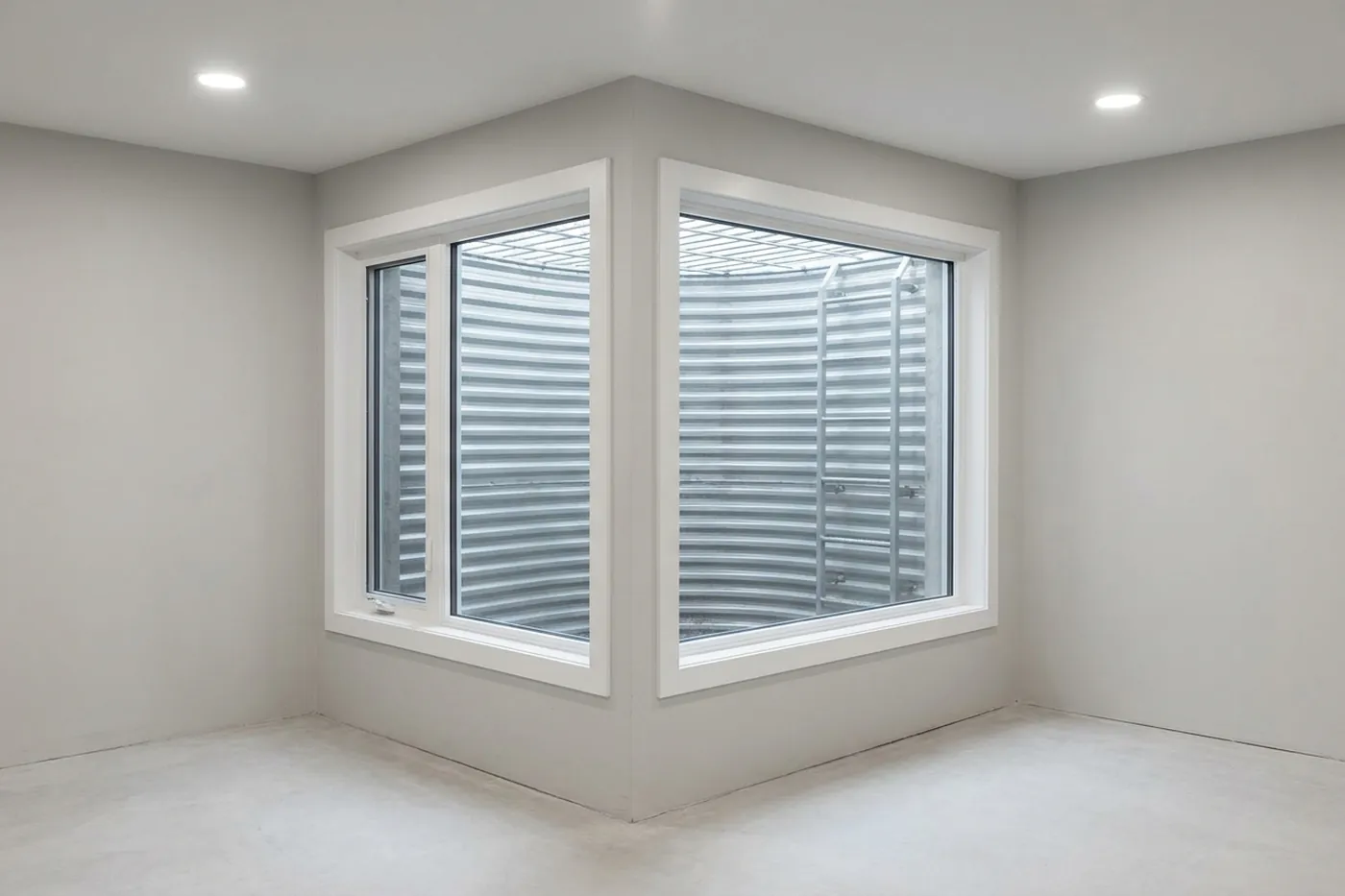
Build spec
- Sized past code minimums when grade allows: escape room and light both improve
- Anchored to the foundation, not floating in backfill
- Gravel base with a drain line to daylight or the perimeter system
- Ladder fixed in place wherever depth passes 44 inches
- Backfill graded away, with downspout routing checked while the hole is open
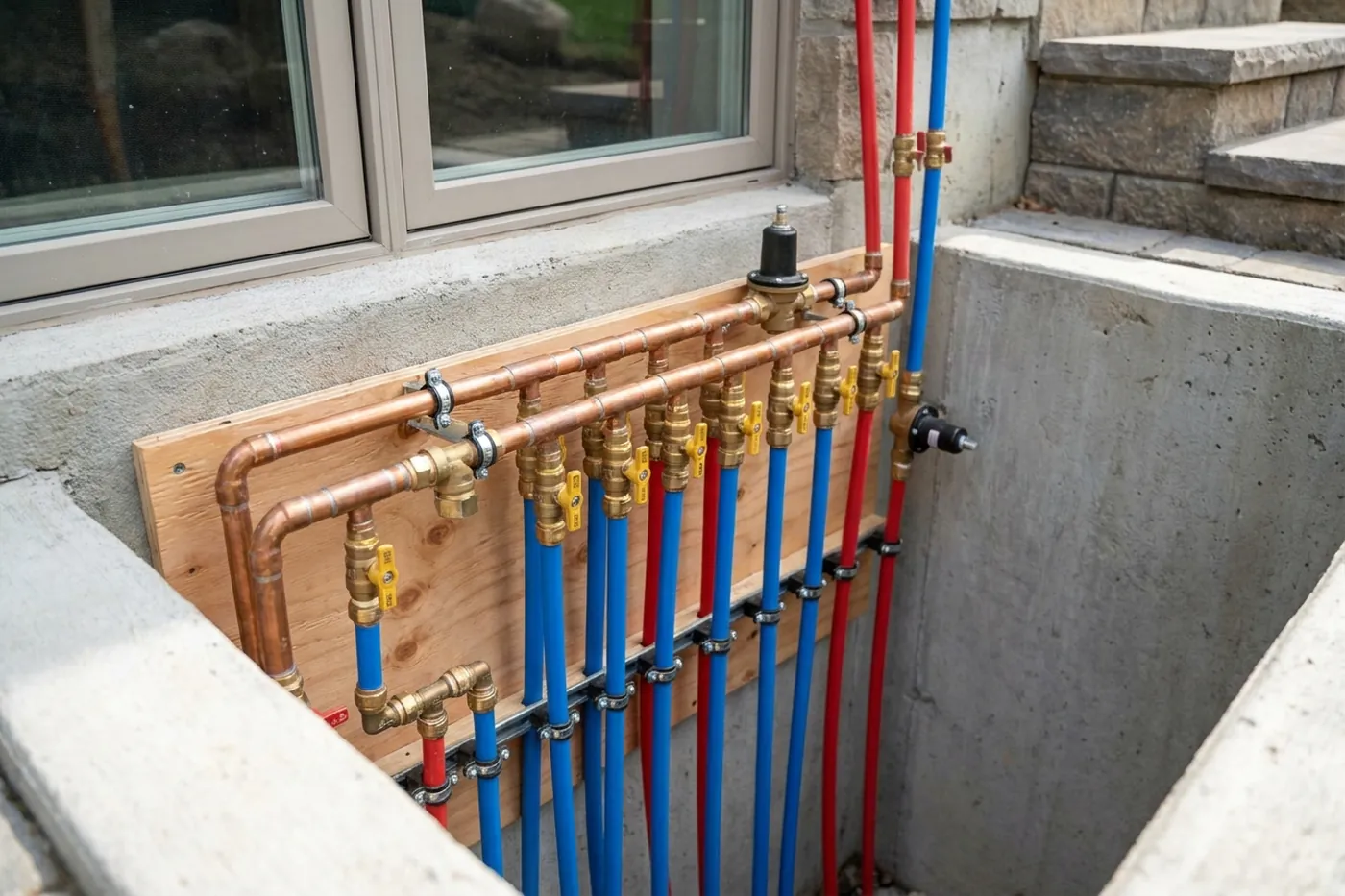
Fixes and upgrades on existing wells
Rusted-through steel, wells detached from the wall, missing ladders, and drainless buckets are common problems. Many repairs are small jobs; a full well replacement with drainage rarely tops the range above. Add a code-listed cover and the winter snow-fill problem retires with it.
What makes a well survive Nebraska?
A Lincoln well works against three opponents: clay that drains slowly, frost that heaves what it grips, and the backfill pressure both of them generate against the well wall.
| Option | What it means | Why it matters here |
|---|---|---|
| Galvanised steel well | The durable standard against backfill pressure | Handles frost-season soil pressure; galvanising matters against wet clay |
| Composite well | No corrosion, moulded steps. Watch the frost rating | No rust in wet clay, and the moulded steps double as the code escape ladder |
| Timber well | Buildable to any size; the ground decides how long it lasts | Ages fastest here: timber against wet clay is a countdown |
| The drainage under it | The invisible part that decides whether any of them work | On this clay, the gravel column and its tie to the footing drain decide everything |
The escape function is code, not decoration: the well must give a full 36-inch clearance and a way to climb out, and a ladder is required past 44 inches of depth. Size the well for a person leaving in the dark, not for the window's looks.
Frequently asked questions
What does a window well cost installed?
Wells with drainage typically run $800-$2,500 depending on depth, material, and whether drainage ties to daylight or a perimeter system. Installed with a new window, the well is part of the package price.
Metal, composite, or timber wells?
Galvanized steel is the workhorse; composite wells add a finished look and never rust; engineered timber suits landscape-heavy yards. Depth and soil pressure narrow the choice: deep wells need the structural options.
Why do wells fill with water here?
Clay backfill and roof water. A well without a drain is a bucket; a good one drains to daylight or the foundation system, and gutter discharge should be checked at the same visit because half of 'well flooding' starts at a downspout.
Does my deep well really need a ladder?
Past 44 inches of depth, yes: permanently attached and usable by a child. It's one of the most common failed-inspection items, and one of the cheapest to fix.
Get a Lincoln egress assessment
Tell us what you're planning (a legal bedroom, a code fix, or brighter basement space), and the local specialist who calls back can assess the wall, the well, and the code path. A local specialist who works in Lincoln will call you back.